
[vc_row][vc_column][vc_column_text text_larger=”no”]
Aquarium Maintenance
Water testing can be one of the more timely aspects of maintenance, but without testing, it’s difficult to know what’s going on inside your tank. Every time you test your water is a chance to correct any imbalances in water chemistry and improve the overall water quality of your system.
You should be testing your water at least once a week. Most local fish stores will help you test your water, however, aquarium test kits are relatively inexpensive and it’s a good idea to start testing your water at home. From the day you set up your aquarium until years down the road, testing your aquarium water should become an important aquarium ritual.[/vc_column_text][/vc_column][/vc_row][vc_row][vc_column][woodmart_title align=”left” style=”bordered” title=”What to Test” woodmart_css_id=”600977d934109″ title_width=”100″][vc_column_text text_larger=”no”]If you are just setting up an aquarium the first month or longer is an important time for beneficial bacteria to grow inside your reef tank, this process is called cycling. During this period you want to actively monitor: Ammonia, Nitrite, Nitrate.
Ammonia is a byproduct of fish waste or un-eaten foods. During the initial set-up or cycling or your tank, Ammonia is absorbed by Nitrosonomas bacteria and released as Nitrite through an internal chemical process. High level of Ammonia and Nitrite are harmful and even toxic to fish, this is why it’s imporant to take your time before adding any fish or corals to the aquarium.
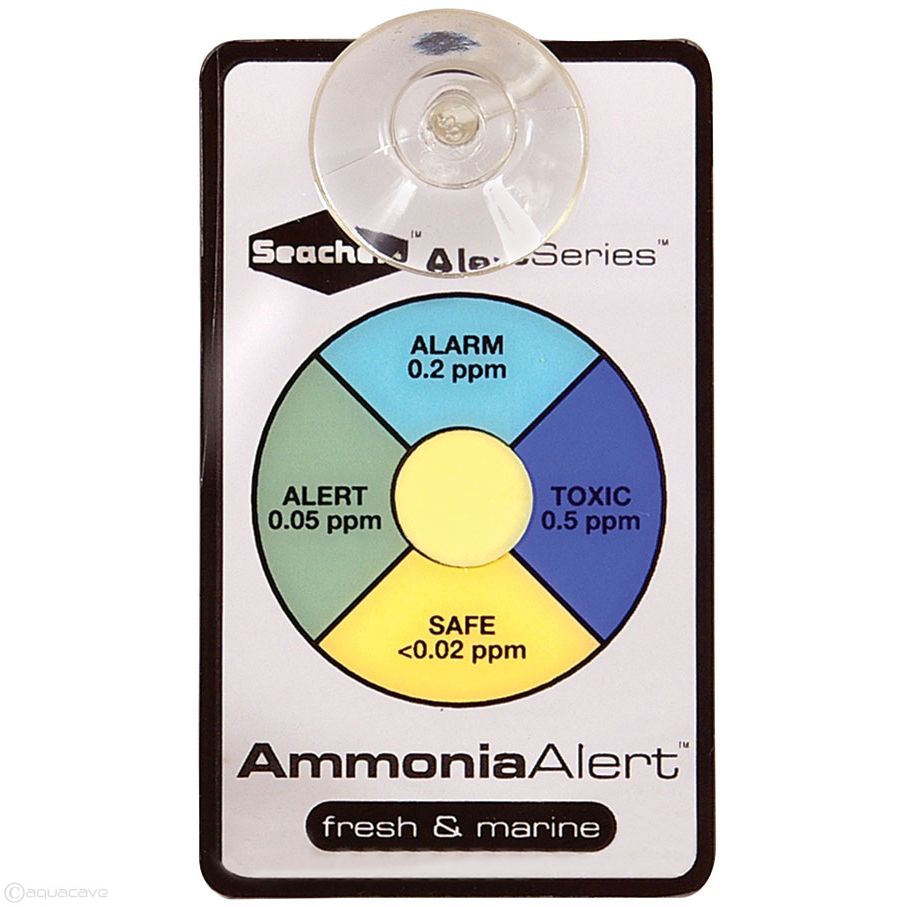 During the first month Nitrobacter bacteria are building up in your aquarium. These bacteria consume Nitrite converting it to Nitrate. Nitrate, while not as harmful, will build up in the aquarium and must be removed. This can be done through regular water changes.[/vc_column_text]
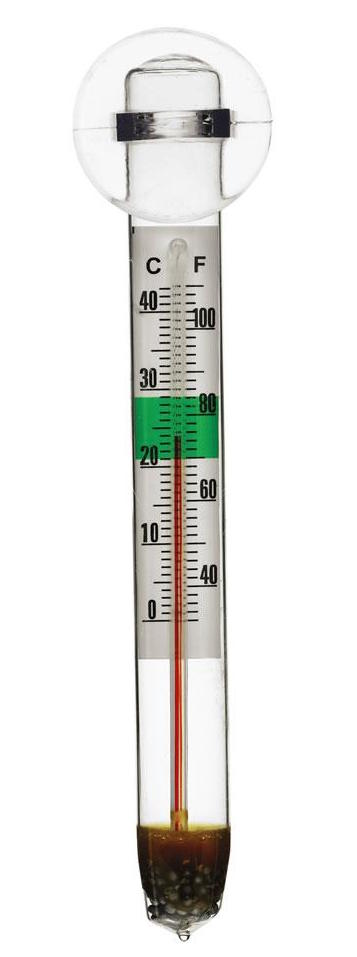 As your aquarium progresses and you are ready to add fish and corals, you will want to test for Salinity and Temperature. Saltwater aquariums should be kept between 75 – 80°F or (23.5 -26.5°C) and you can purchase a floating thermometer for your tank.
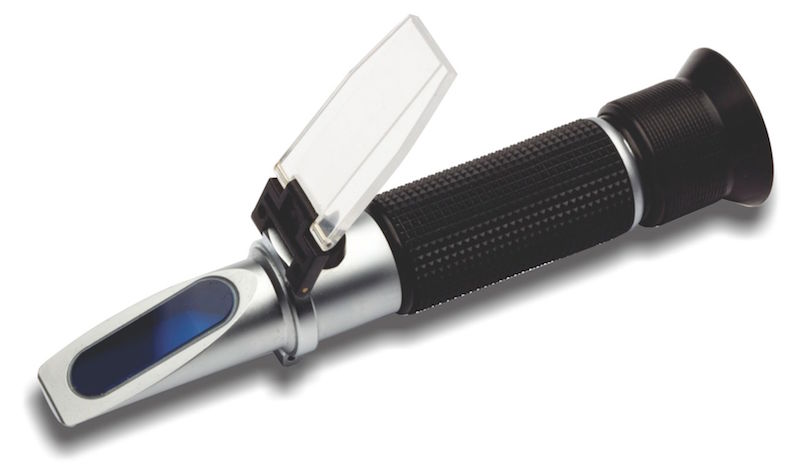
Salinity should be maintained at 35ppt or a specific gravity of 1.0264. As water evaporates from your aquarium salinity levels can rise, since only the freshwater is evaporating. This can be avoided by having an auto top-off system installed on your tank or manually topping off with freshwater.
If you are keeping a nano size aquarium smaller than 20g you will want to pay close attention to salinity. You can test for salinity with a refractometer.[/vc_column_text][/vc_column][/vc_row][vc_row content_placement=”middle” css=”.vc_custom_1497600165948{margin-bottom: 40px !important;}”][vc_column offset=”vc_col-md-6″]
How Often to Test
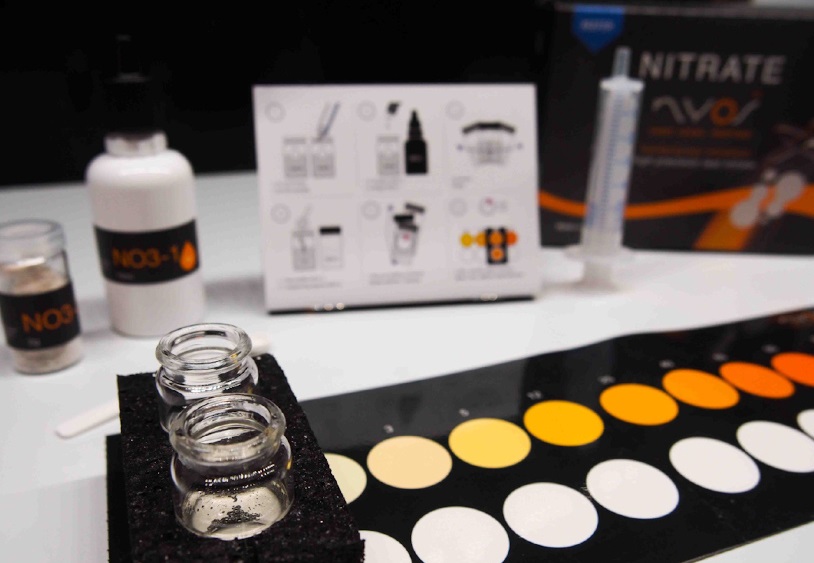
You should test your water about three days a week. If your water is experiencing swings or spikes from test to test, then you may need to test every day. At home test kits come with easy to follow instructions, and don’t be worried if it takes a few tries to get it right. Be sure to check the expiration date when buying test kits.[/vc_column_text][vc_column_text text_larger=”no”]Test for anything you are dosing and test each time you dose your tank. Overdosing your tank with alkalinity can kill the tips of your coral which I have learned the hard way from experience.
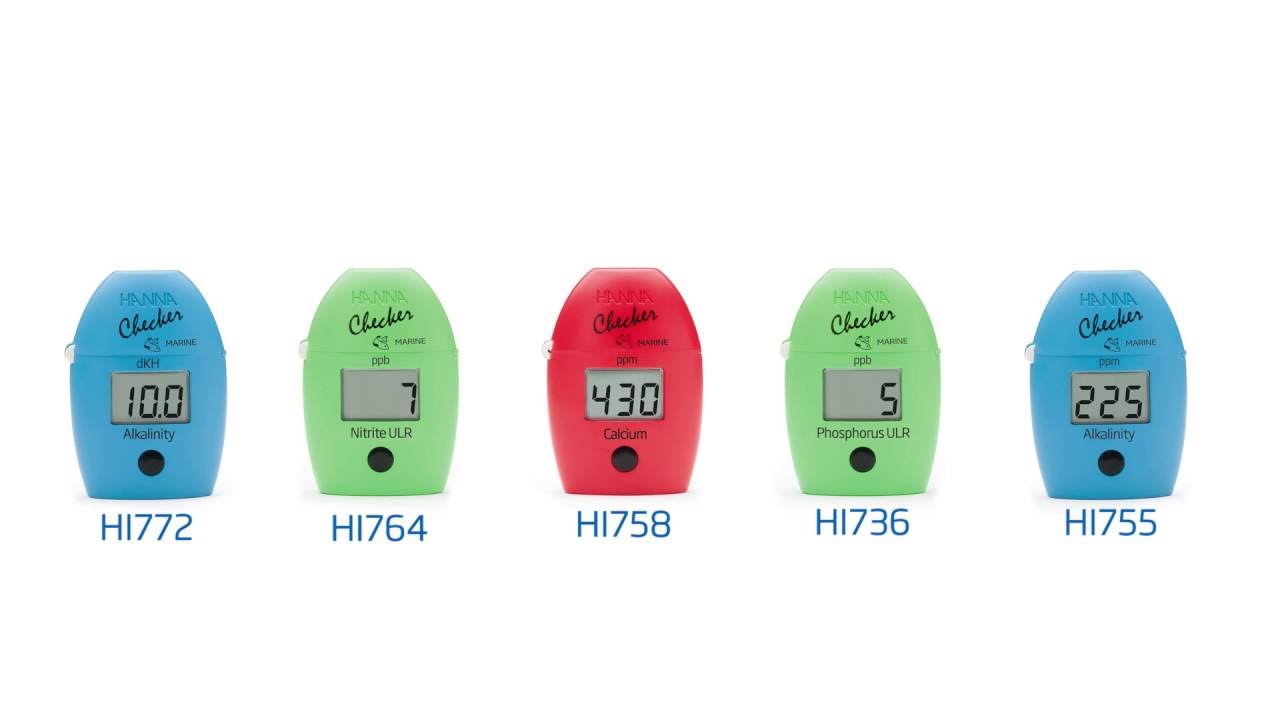
Some at home test kits, especially those which involve counting drops or color can be difficult to distinguish between result levels. As you become more involved in reef keeping you can invest in probes which continually monitor parameter like PH and Salinity. You can also purchase Hanna instrument checkers which give you an instant readout for Nitriate, Phospahte, Calcium, or Alkalinity.[/vc_column_text][/vc_column][vc_column offset=”vc_col-md-4″]
Alkalinity- 8-12 dKH
Calcium- 350-450 ppm
Magnesium- 1250-1350 ppm
Phosphate- <0.2ppm
Temperature- 75 – 80°F (23.5 – 26.5°C)
Salinity- 35ppt or 1.0264 specific gravity
You will see the benefits of testing in no time and if you do not test you will surely see the consequences. Testing allows us to know what our tank needs so we can provide a healthy habitat for keeping fish and corals.[/vc_column_text][/vc_column][/vc_row][vc_row disable_element=”yes” mobile_bg_img_hidden=”no” tablet_bg_img_hidden=”no” woodmart_parallax=”0″ woodmart_gradient_switch=”no” row_reverse_mobile=”0″ row_reverse_tablet=”0″ woodmart_disable_overflow=”0″][vc_column][vc_column_text css=”.vc_custom_1490102619439{margin-bottom: 0px !important;}”]Ullamcorper condimentum erat pretium velit at ut a nunc id a ad eu vestibulum nibh urna nam consequat erat molestie lacinia rhoncus. Nisi a diam id a himenaeos condimentum laoreet per a neque habitant leo feugiat viverra nisl sagittis a curabitur parturient nisi adipiscing. A parturient dapibus pulvinar arcu a suspendisse sagittis mus mollis at a nec placerat sociosqu himenaeos litora fames habitant suscipit tempus scelerisque ridiculus mi ullamcorper per ridiculus proin condimentum.
Nisi a diam id a himenaeos condimentum laoreet per a neque habitant leo feugiat viverra nisl sagittis a curabitur parturient nisi adipiscing. A parturient dapibus pulvinar arcu a suspendisse sagittis mus mollis at a nec placerat sociosqu himenaeos litora fames habitant suscipit tempus scelerisque ridiculus mi ullamcorper per ridiculus proin condimentum egestas taciti molestie hendrerit sit senectus iaculis.[/vc_column_text][/vc_column][/vc_row]